Gygnus Editorial Team
Gig Economy & Local Work
Short answer: driving apps can still work, but the math is tighter in 2026
A lot of people are searching the same thing right now: is DoorDash worth it with gas prices, is Uber still worth it, what side hustles do not destroy my car, and how can I make extra money near me without driving all day?
That is the real question. Not whether gig work is good or bad. The question is whether the job still pays after gas, mileage, repairs, insurance, waiting time, and platform fees.
If you have to drive 40 miles to make $70, you did not really make $70. You traded gas, tires, time, and wear on your car for the leftover amount.
The 2026 gas and mileage math gig workers feel every day
The IRS set the 2026 business mileage rate at 72.5 cents per mile. That rate is not just gas - it reflects the broader cost of operating a car, including maintenance and depreciation. Meanwhile, weekly U.S. gasoline data from the EIA showed regular gas above $4 per gallon in early May 2026.
That is why delivery and rideshare work can feel busy but not profitable. You may see money come in fast, but the car bill arrives later.
Simple example: a delivery shift that looks good but pays less than expected
- You earn $120 in app pay and tips.
- You drive 85 total miles between pickups, drop-offs, waiting zones, and driving home.
- At 72.5 cents per mile, those miles represent about $61.63 in vehicle cost.
- Before taxes, your real take-home picture is closer to $58.37 - and that does not count unpaid waiting time.
That does not mean every shift is bad. It means drivers need to think like business owners, not just chase the next ping.
Searches people are really making: jobs with less driving
People are not only searching for gig apps anymore. They are searching for side hustles without driving, local side jobs near me, weekend jobs near me, cleaning jobs near me, handyman jobs near me, moving help jobs, lawn care jobs, and ways to make money without paying for leads.
That is where local services can be stronger than long-mile delivery work. You may still travel, but the work happens at one location, often for a higher ticket, and you can choose your service area.
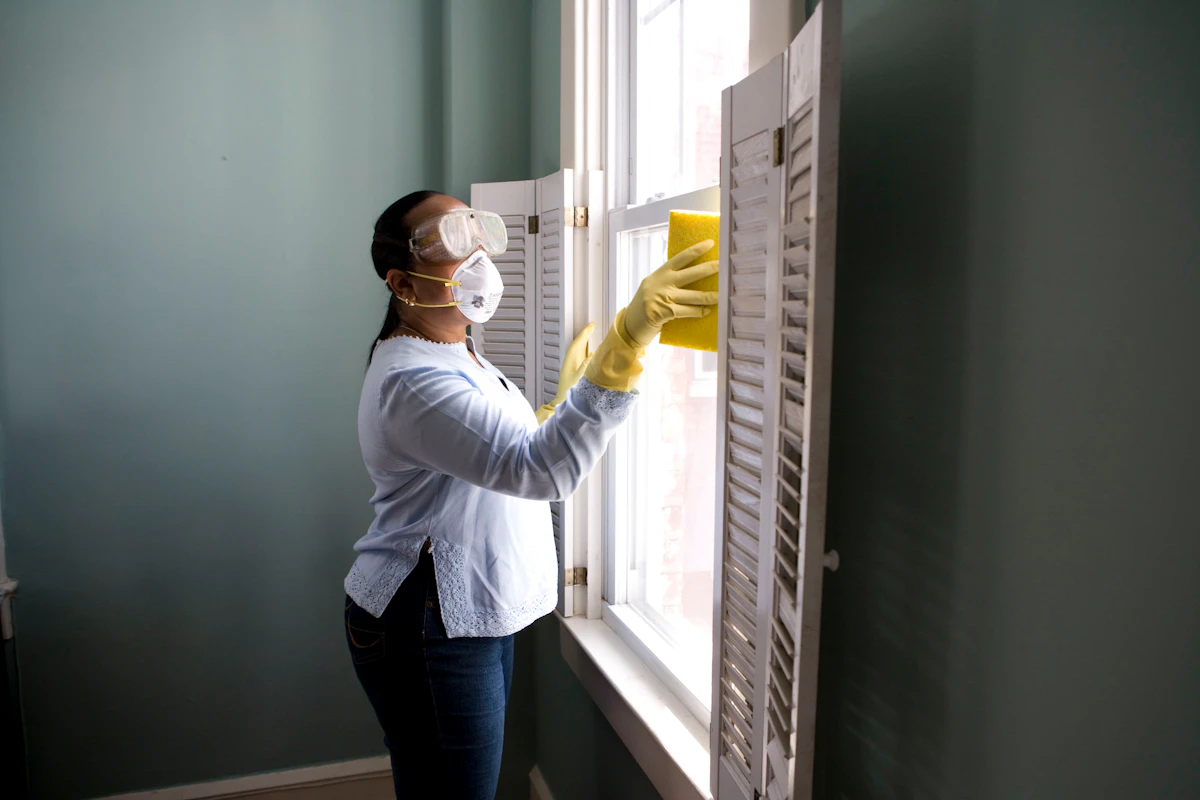
- 1House cleaning: recurring customers, predictable neighborhoods, and less unpaid driving between tasks.
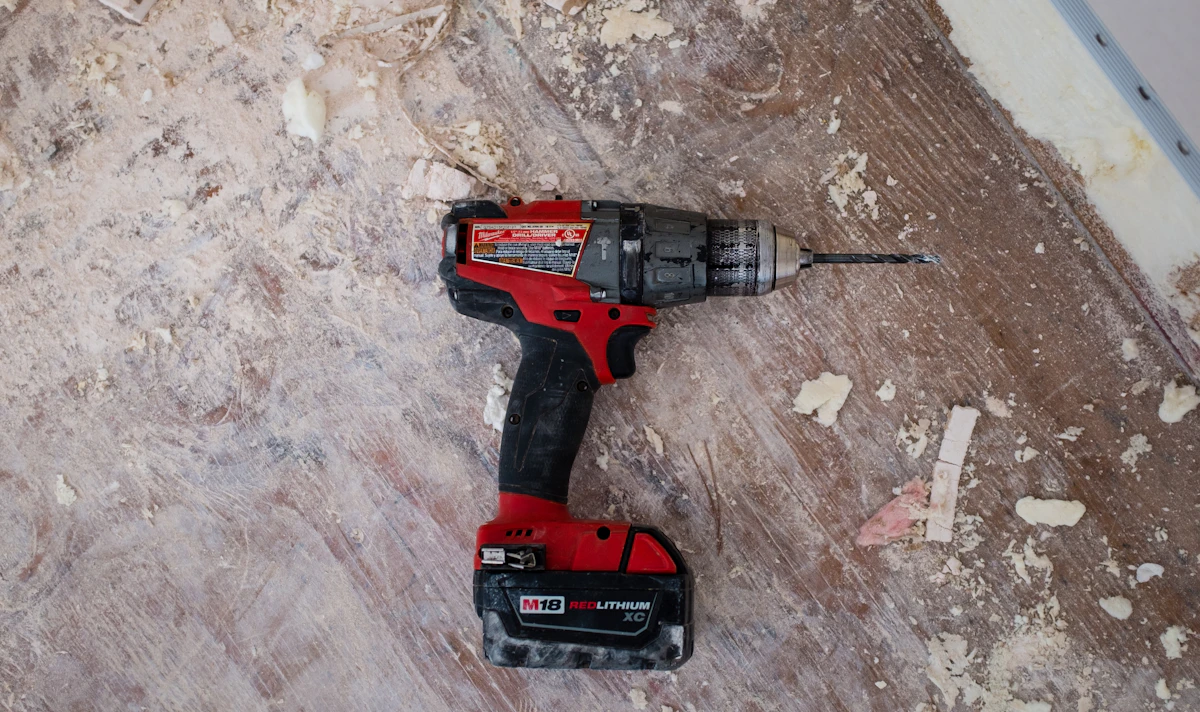
- 2Handyman work: shelves, repairs, mounting, furniture assembly, and small home fixes.
- 3Moving help: short local jobs where people need lifting, packing, loading, or unloading.
- 4Lawn care and snow removal: route customers by neighborhood so you are not crossing town all day.
- 5Pet care and dog walking: repeat local customers can be more stable than one-off app orders.
- 6Mobile beauty and personal services: hair, nails, makeup, henna, massage, or tutoring if you already have the skill.
How to know if a gig is worth accepting
Before you accept work, ask one simple question: what will I keep after mileage and time?
- Estimate total miles, not just app miles.
- Include the drive back or the drive to your next useful area.
- Set a minimum job price for your skill and distance.
- Group jobs by city or ZIP code when possible.
- Avoid work that pays only if you buy leads first.
- Track mileage and expenses every week, not at tax time.
Provider rule of thumb: if the job is small, keep it close. If the job is far, the price needs to justify the drive.
Why local service marketplaces can connect better than lead sites
A lot of workers are tired of paying just to maybe get a customer. Lead fees hurt most when you are new, when gas is high, or when customers do not respond.
Gygnus is being built for a different local-work model: customers post real jobs, providers choose the work they want, and the platform focuses on local matching instead of making workers buy every opportunity upfront.
- Customers can post jobs for free.
- Providers can show services, photos, videos, location, availability, and pricing.
- Jobs can be filtered by city, ZIP code, category, budget, urgency, and distance.
- The goal is fewer wasted miles, clearer expectations, and more trust before anyone drives.
If you are a driver, do not quit overnight - test a second path
If DoorDash, Uber, Lyft, Instacart, or Amazon Flex still pays for you, keep what works. But do not let one app control your whole income.
Start with one service you can offer locally. Add clear photos. Pick a small service area. Set a minimum price. Then compare one local service job against one delivery shift after mileage.
The goal is not just more gigs. The goal is better gigs - closer to home, clearer pay, and less damage to your car.
Want to test local work? Create a Gygnus provider profile, add your services and photos, choose your service area, and start with jobs close enough that the numbers make sense.
Search tags
Ready when you are
Want local work with less wasted driving?
Create a provider profile, add services and photos, choose your service area, and start with nearby jobs that make sense.